
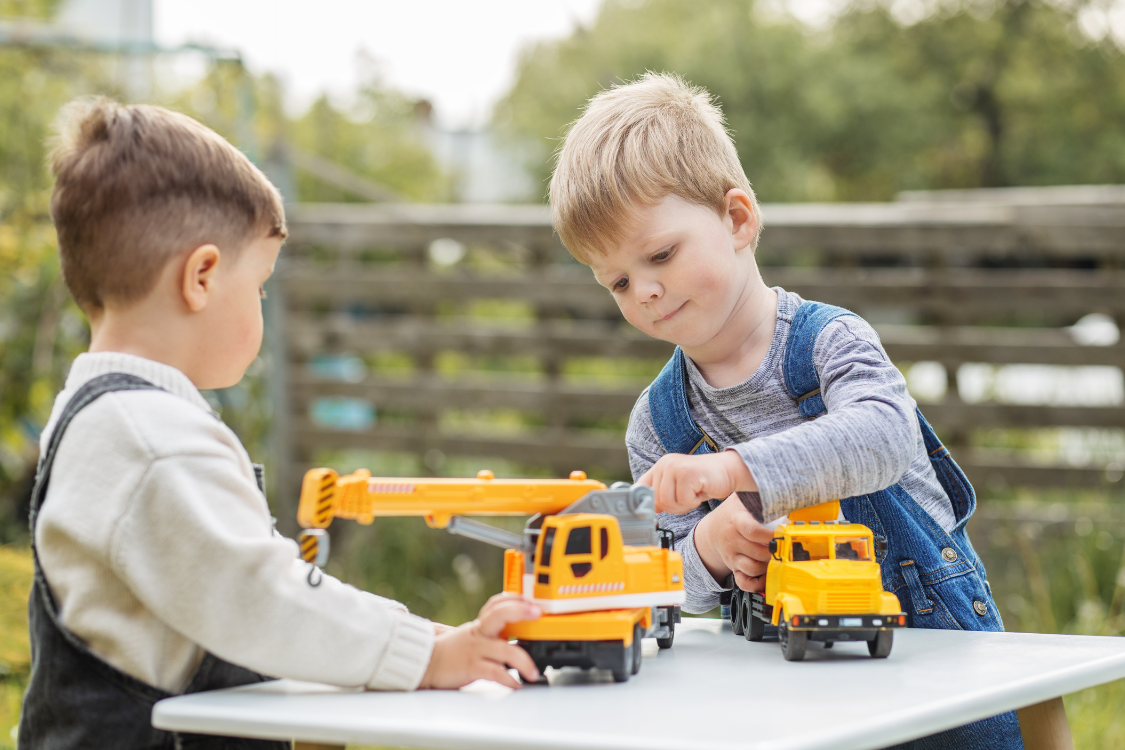

Your child won’t sit still for five minutes of reading practice, but they’ll spend an hour lining up toy trucks and making engine noises. They can’t remember sight words, but they know the difference between a dump truck, a cement mixer, and an excavator. They resist every book you offer, except that one about trains they’ve requested seventeen times.
This is the power of high-interest topics. When children care deeply about the content, they push through the hard work of decoding. Transportation books, featuring trucks, trains, planes, construction vehicles, and everything with wheels or wings, are literacy gold for many beginning readers, particularly boys who might otherwise resist reading practice.
But not all transportation books work equally well for reading instruction. Some are too text-heavy for beginners. Others are too simplistic to hold attention. The best transportation books balance engaging content with carefully controlled text that matches your child’s developing phonics skills.
Let’s explore transportation books that build reading skills while fueling your child’s passion for all things that go.
Why Transportation Books Work for Reading Development
Transportation topics offer unique advantages for literacy instruction that go beyond simple motivation.
Technical vocabulary builds phonics skills. Words like “engine,” “cargo,” “trailer,” and “runway” contain phonics patterns beginning readers need to practice: consonant blends, r-controlled vowels, and vowel teams. Your child isn’t just reading about trucks. They’re practicing the “tr” blend, the long “a” sound in “trailer,” and multisyllabic word decoding.
Visual content supports comprehension. Transportation books feature clear, labeled diagrams that help children connect words to concepts. When a child sees “wheel,” “cab,” and “trailer” labeled on a truck diagram, they’re learning vocabulary while practicing reading in context.
Nonfiction text structures build essential skills. Many transportation books use headings, captions, fact boxes, and glossaries. These text features aren’t extras. They’re literacy tools your child will encounter throughout their education. Learning to navigate them now prepares them for reading in every subject area.
Series create reading momentum. When your child finishes one truck book and immediately wants the next one about planes, they’re building reading stamina and developing the habit of sustained reading practice.
Background knowledge accumulates. Each transportation book adds to your child’s knowledge base about how vehicles work, what they’re used for, and how they’re built. This background knowledge supports comprehension when they encounter transportation topics in other contexts.
Start Simple: Board Books and First Vehicle Vocabulary
For the youngest beginning readers or those just starting to connect letters and sounds, simple transportation board books provide essential vocabulary without overwhelming text.
Trucks by Byron Barton uses bold, simple illustrations and minimal text to introduce vehicle types. Each page features one sentence and one vehicle type, making this perfect for children just learning to blend sounds into words. The predictable pattern, “This is a dump truck. This is a fire truck,” provides repetitive practice with high-frequency words while building vehicle vocabulary.
Planes by Byron Barton follows the same successful formula with aircraft. The controlled vocabulary and clear illustrations support beginning readers who need lots of success experiences to build confidence.
Little Blue Truck by Alice Schertle adds a narrative element to vehicle learning. The repetitive refrain “Beep! Beep! Beep!” and simple rhyming patterns make this accessible for early readers while introducing truck vocabulary naturally through story. The rhythm and rhyme also support phonological awareness, that crucial skill of hearing and manipulating sounds in language.
These books work for shared reading experiences where you read most of the text while your child “reads” repeated phrases, vehicle names, or sound effects. This scaffolded participation builds confidence before independent reading.
Build Technical Vocabulary Through Nonfiction
As your child’s decoding skills strengthen, nonfiction transportation books introduce technical vocabulary that expands both reading ability and content knowledge.
National Geographic Kids: Trucks and the companion books on planes, trains, and cars use real photographs paired with short, fact-based sentences. The National Geographic Kids Readers series is specifically leveled for beginning readers, with Level 1 books featuring simple sentences, familiar words, and picture support.
These books introduce technical terms like “cargo,” “cockpit,” “locomotive,” and “freight” in context. Your child practices decoding while learning accurate vocabulary, not simplified “baby” words but the real terms used in the field. This builds both literacy and knowledge.
The consistent structure across the National Geographic series helps children know what to expect. Each book includes headings, fact boxes, and a picture glossary. Once your child learns to navigate one book in the series, they can apply those skills to all the others.
Cars, Trains, Ships, and Planes: Visual Encyclopedia of Every Vehicle takes vocabulary building further with labeled diagrams showing vehicle parts and functions. The visual layout supports struggling readers by providing context clues, while the technical vocabulary challenges advancing readers to apply their phonics knowledge to unfamiliar words.
Use these books for what literacy educators call “concept of print” instruction. Point out how headings organize information, how captions explain photographs, and how glossaries define technical terms. These are reading strategies your child will use throughout their education.
Construction Vehicles: The Ultimate High-Interest Category
Construction vehicles deserve their own category because they hold nearly magical appeal for many young readers.
Goodnight, Goodnight, Construction Site by Sherri Duskey Rinker has become a modern classic for good reason. The rhyming text supports phonological awareness and makes the book highly readable through rhythm and pattern. Each construction vehicle, crane truck, cement mixer, dump truck, bulldozer, and excavator gets introduced with a consistent language structure that helps beginning readers predict text.
The personification of vehicles as characters who need bedtime routines creates an emotional connection while teaching vehicle names and functions. Your child practices reading while learning the difference between excavators and backhoes.
Richard Scarry’s Busy, Busy Construction Site uses labeled illustrations to create a rich vocabulary environment. While the full text might be too complex for independent reading, the labeled vehicles and actions provide countless opportunities for vocabulary discussion and sight-word practice.
Use construction books to practice what reading researchers call “concept-sorting vocabulary.” After reading, ask your child to identify which vehicles dig, which ones carry, and which ones lift. This comprehension work extends beyond the reading itself into categorization and critical thinking.
Trains: Rhythm, Repetition, and Reading Practice
Train books often feature rhythmic, repetitive text that mirrors the sound and movement of trains themselves. This rhythmic quality supports the development of reading fluency.
The Goodnight Train by June Sobel uses simple, rhythmic text with strong picture support. The predictable rhyme scheme helps beginning readers anticipate words, building confidence as they practice decoding skills.
Steam Train, Dream Train by Sherri Duskey Rinker offers slightly more complex vocabulary while maintaining rhythmic, engaging text. Different train cars carry different cargo, from ice cream to books to zoo animals, providing vocabulary variety within a consistent structure.
The repetitive elements in train books allow children to practice rereading, one of the most effective strategies for building fluency. Each time your child reads “clickety-clack” or “chugga-chugga-choo-choo,” they’re practicing rapid word recognition and prosody (reading with appropriate expression).
Progressive Complexity: Growing With Your Reader
As your child’s skills develop, they need books that provide appropriate challenge while maintaining high interest.
The Little Engine That Could remains a valuable text for transitional readers. The repetitive refrain “I think I can, I think I can” provides fluency practice, while the narrative structure introduces more complex sentence patterns than simple picture books offer.
The story’s message about perseverance directly parallels the reading journey itself. Your child, who’s working hard to decode increasingly difficult texts, can connect with an engine struggling up a steep hill. This metacognitive connection, thinking about thinking, supports the development of reading comprehension.
If I Built a Car by Chris Van Dusen features a more complex narrative structure and richer vocabulary. The imaginative descriptions of a dream car provide context for technical vocabulary while maintaining high engagement. This works well for children who’ve mastered basic decoding and are ready for longer sustained reading with more challenging vocabulary.
Use these books to teach comprehension strategies explicitly. Before reading, preview the book together and make predictions. During reading, pause occasionally to ask what might happen next. After reading, discuss the main idea and details. These strategies turn reading from pure decoding work into meaning-making.
Use Transportation Books Strategically at Home
Transportation books work best when you use them purposefully, not just as entertainment.
Start with your child’s specific interests. If they’re obsessed with garbage trucks, begin there rather than with a general transportation book. Specificity increases engagement and motivation.
Pre-teach key vocabulary before reading. Look through the book together and identify three to five technical words your child will encounter. Say them together, discuss what they mean, and point them out in the text. This preparation sets your child up for successful independent reading rather than constant frustration with unfamiliar words.
Alternate between fiction and nonfiction transportation books. Fiction builds narrative comprehension and emotional engagement. Nonfiction builds vocabulary and content knowledge. Both are essential literacy skills.
Use transportation books to explicitly practice reading strategies. Point out how headings help readers know what a section is about. Show how captions explain photographs. Demonstrate how to use a glossary to find word definitions. These metacognitive conversations teach your child not just to read this book, but how to read all books.
Connect reading to real-world experiences. After reading about construction vehicles, visit a construction site and identify the machines. After reading about trains, watch trains at a crossing or visit a train museum. These experiences build background knowledge that supports future reading comprehension.
Create opportunities for rereading. Rereading familiar texts builds fluency more effectively than constantly reading new material. When your child wants to read the truck book for the fifteenth time, say yes. Each rereading strengthens automatic word recognition and frees cognitive resources for comprehension.
Build a Transportation Library That Grows With Your Reader
Create a transportation book collection that spans multiple reading levels so your child always has appropriately challenging options.
Start with simple board books for vehicle identification and basic vocabulary. Add emergent readers with controlled vocabulary and repetitive text patterns. Include National Geographic Kids readers at various levels for nonfiction content. Incorporate narrative picture books that tell stories featuring vehicles. Keep a few more complex books for read-aloud time when you read to your child.
This range ensures your child can always choose books they can read independently while also hearing more complex language during read-aloud sessions. Both experiences support literacy development in different ways.
The National Geographic Kids Readers series provides built-in progression. Start with Level 1 (pre-reader), move to Level 2 (beginning reader), then Level 3 (independent reader). The consistent format helps your child feel successful as they tackle increasingly challenging content within a familiar structure.
Transportation Topics Build Real Readers
When reading instruction connects with your child’s genuine interests and curiosity, everything changes. The reluctant reader who resists practice will suddenly work through challenging words because they desperately want to know how many wheels a monster truck has or what fuel powers a rocket.
Transportation books provide that connection while systematically building the phonics, vocabulary, fluency, and comprehension skills your child needs for reading success. Your truck-obsessed child isn’t just indulging a hobby. They’re building literacy through high-interest, appropriately challenging practice.
The Reading.com app uses this same principle: engaging content built on systematic phonics instruction. We don’t rely on generic stories your child tolerates. Instead, we provide varied, interesting content that keeps kids motivated while teaching the foundational skills every reader needs. Start your 7-day free trial and discover how matching instruction to interests turns reluctant readers into eager learners.